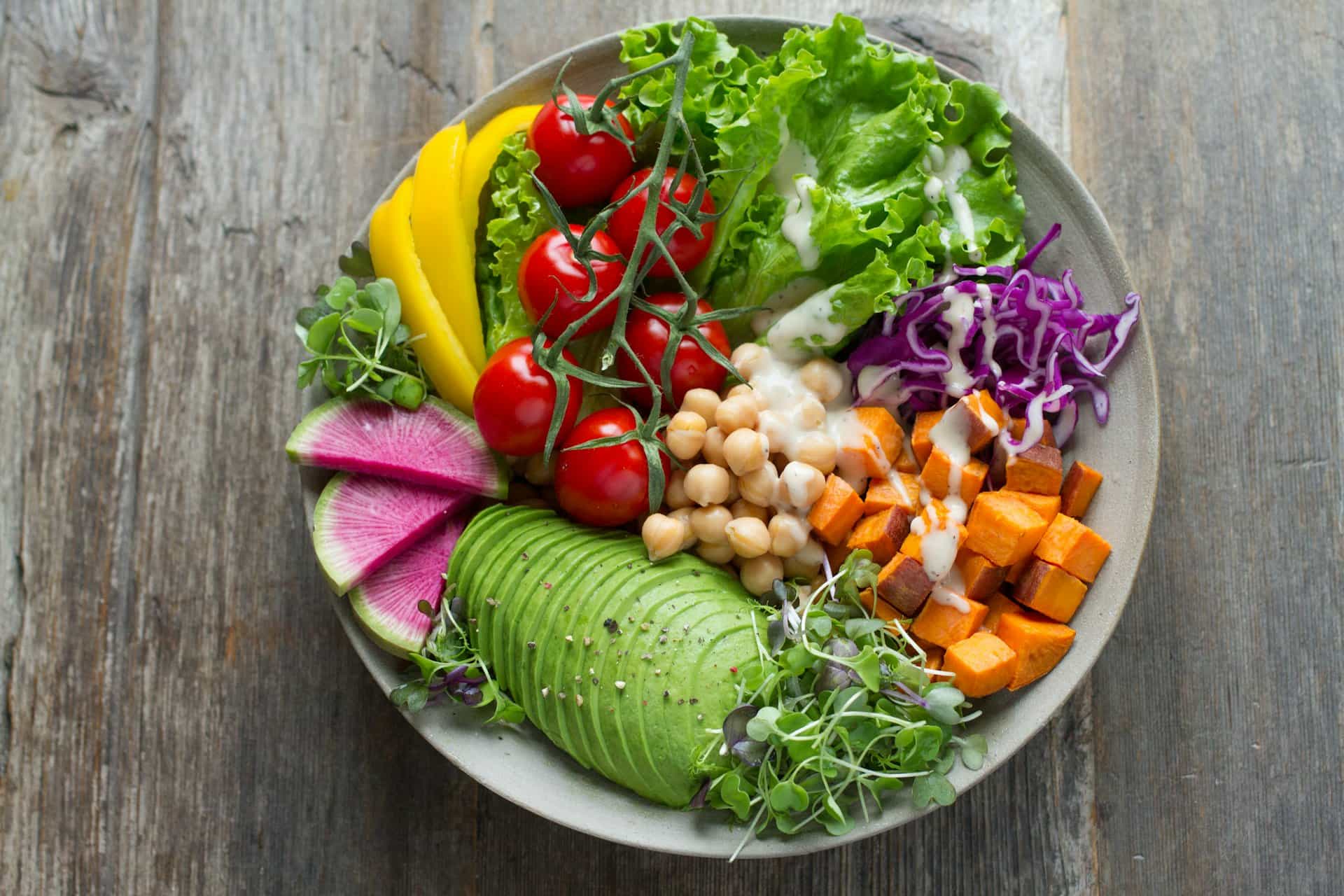
What is Vegan Certification?
With demand for vegan products rising, consumers want to know how vegan items are processed. Vegan certification gives them a trusted label and protects you against mislabelling complaints.
Products must contain no meat, fish, fowl, eggs, dairy, honey, insect-derived products or animal by-products, and must not be filtered, clarified or processed with animal products (e.g. bone-char sugar).
Who needs Vegan Certification?
- Plant-based food and beverage brands
- Bakery, confectionery and snack manufacturers
- Supplement and cosmetic producers
Vegan Certification requirements
- No animal products or by-products in ingredients or sub-ingredients
- No animal testing of ingredients or finished products
- No animal-derived GMOs or genes
- Verified cleaning between vegan and non-vegan production
- Codex HACCP (equivalent) and product safety & quality system
- Specifications, traceability, complaint management and recall
- Allergen control, formula control and vegan awareness training
Benefits of Vegan Certification certification
- Grows consumer trust
- Recognition in the global vegan and vegetarian market
- Stands out from competitors
- Avoids complaints and penalties for mislabelling
How HL Associates gets you certified
- 1Ingredient and supplier verification
- 2Gap assessment
- 3Documentation and controls
- 4Training
- 5Certification application and audit support
Vegan Certification — frequently asked questions
Can a factory that also makes non-vegan products get vegan certification?
Yes, provided validated cleaning and sanitation steps between production cycles prevent cross-contamination and are approved by the certifier.