What is Organic Certification?
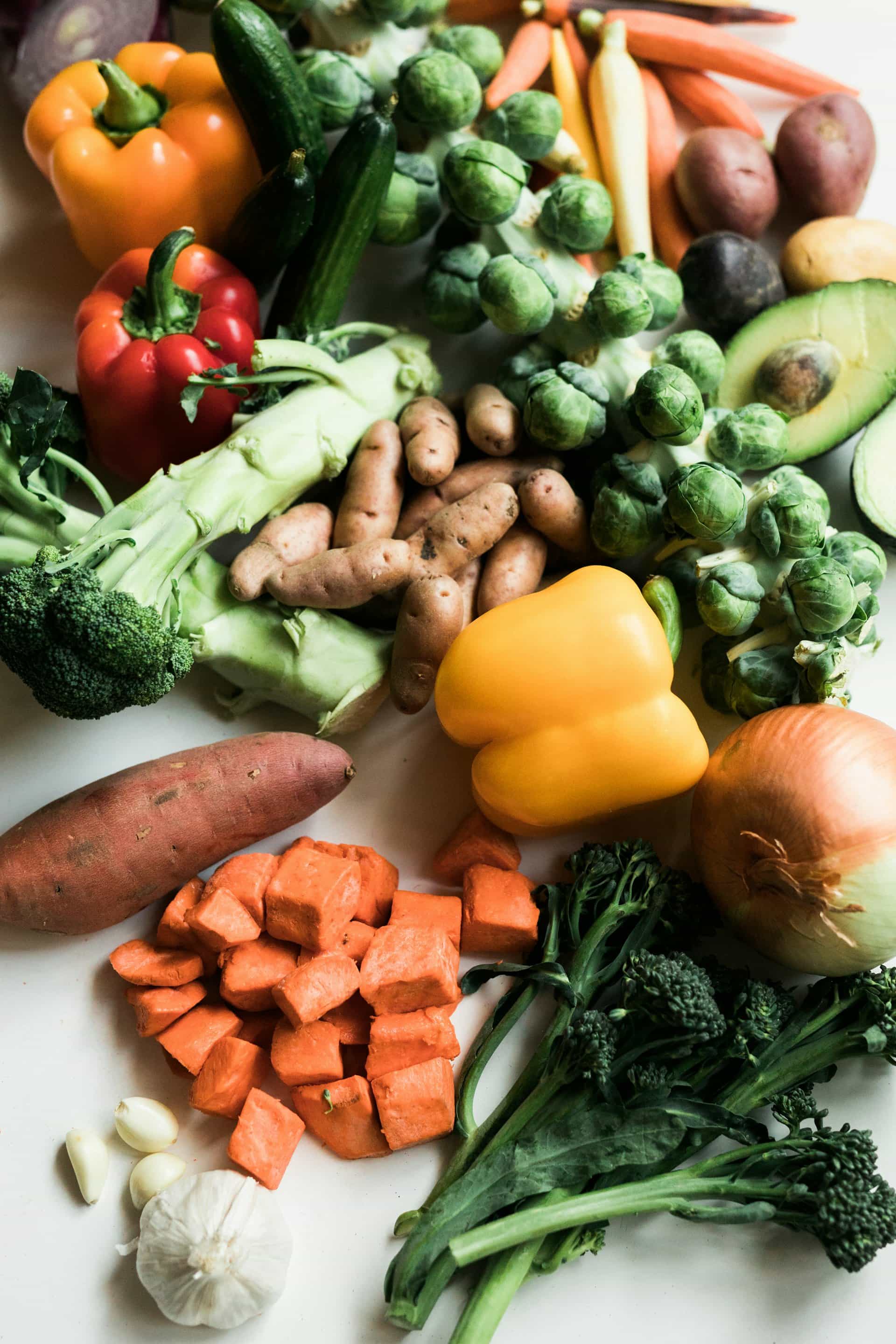
Organic certification applies to anyone directly involved in organic food production — seed suppliers, farmers, processors, retailers and restaurants. Requirements cover growing, storage, processing, packaging and shipping.
Certifiers carry out annual inspections, some unannounced, so you need systems that keep you inspection-ready at any moment. We help build them.
Who needs Organic Certification?
- Farmers and producer groups
- Food processors and packers
- Traders and exporters
- Retailers and restaurants
Organic Certification requirements
- Avoidance of synthetic chemical inputs, GMOs, irradiation and sewage sludge
- Land free from prohibited substances for the conversion period (often 2–3 years)
- Detailed production and sales records (audit trail)
- Physical separation of organic and non-organic products
- Facility map and production flow chart
- Organic integrity points, pest management, sanitation and labelling
Benefits of Organic Certification certification
- Consumer confidence in your organic label
- Access to premium domestic and export markets
- Better record-keeping
- Clear understanding of permitted and prohibited materials
How HL Associates gets you certified
- 1Standards study and gap assessment
- 2Documentation and record-keeping system
- 3Process planning and supplier sourcing
- 4Internal audit
- 5Inspection and certification support
Organic Certification — frequently asked questions
What is the conversion period for organic farms?
Land must be free from prohibited substances for a set period, often two to three years. Crops grown during this time are 'in conversion' and cannot be sold as fully organic.